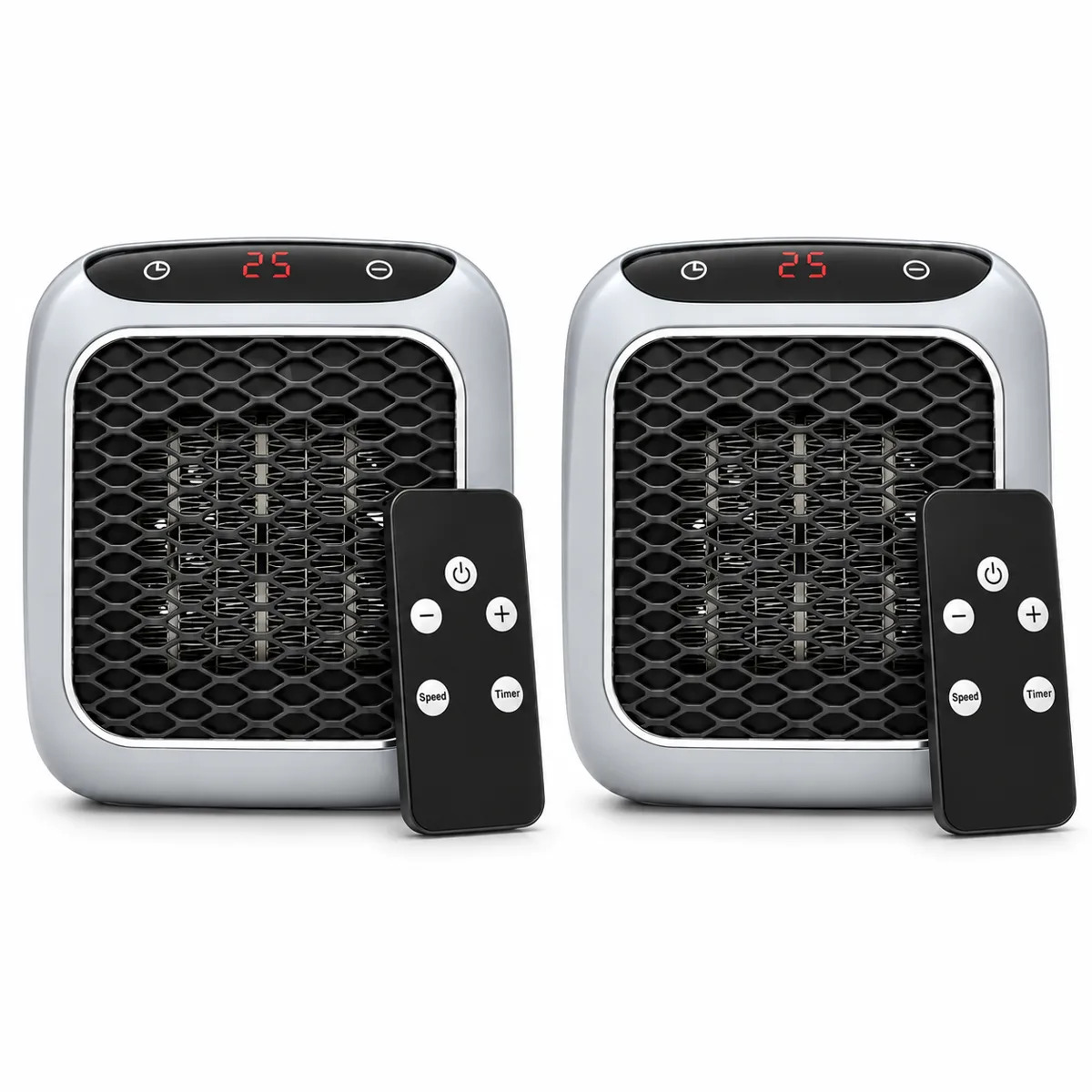
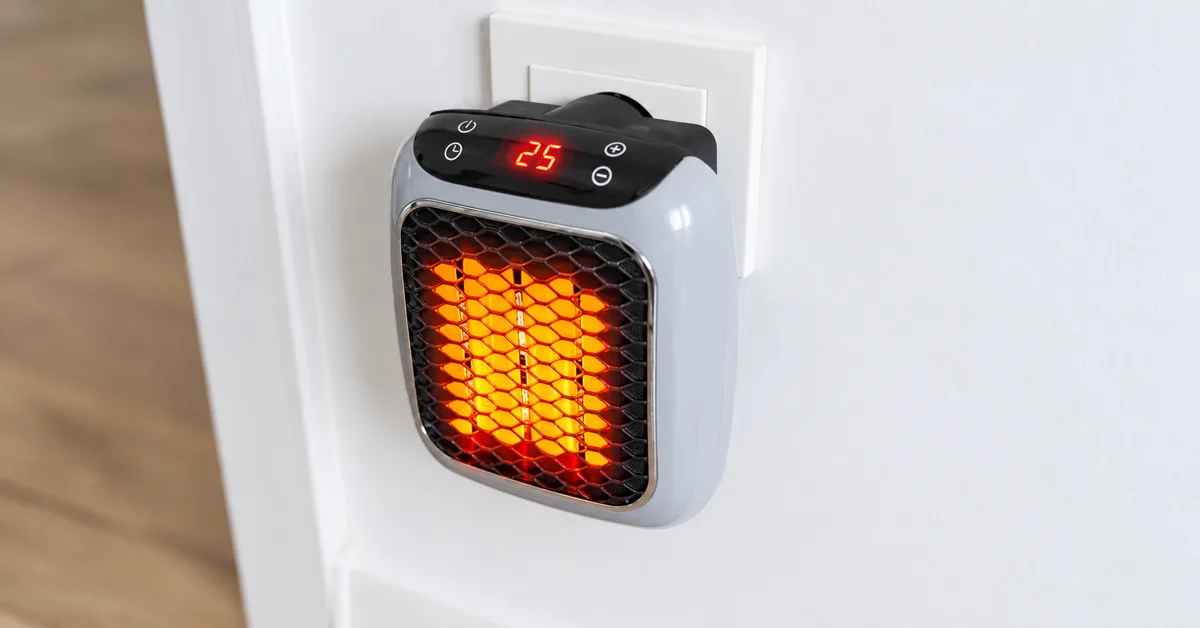
Can you use RapidHeat in a bathroom?
No. RapidHeat is not IP-rated and is not suitable for bathrooms or wet areas. Its overheat protection and auto shut-off do not provide protection against water entering the appliance. A dry-looking corner, an open window or a short heating session does not change that restriction.
Do not put it outside the shower enclosure, behind a door or beside a basin as a workaround. Choose heating designed for the bathroom instead. Our RapidHeat operating guide applies to suitable dry rooms, not permission to use it near water.
What are bathroom electrical zones?
| Area | What to understand |
|---|---|
| Zone 0 | Inside the bath or shower basin: highly restricted equipment requirements. |
| Zone 1 | Around the bathing space: only equipment suitable for this zone. |
| Zone 2 where applicable | Additional surrounding area with protection requirements. |
| Beyond the defined zones | Not automatic approval for portable heaters or ordinary sockets. |
Bathroom zones describe areas around baths and showers where electrical equipment needs particular protection and installation arrangements. Zone 0 is inside the bath or shower basin. Zone 1 is the area immediately above and around the bathing space; zone 2 extends beyond zone 1 in relevant layouts.
The exact boundaries depend on the bath or shower arrangement, including whether a shower has a tray and any fixed partitions. Do not measure a distance yourself and assume an ordinary plug-in appliance is then acceptable. Ask a registered electrical contractor to assess the room under the current Irish wiring rules.
What IP rating does a bathroom heater need?
An IP code describes enclosure protection against solids and water. The second digit concerns water: IPX4, for example, refers to protection against splashing water, while IPX7 concerns temporary immersion under defined conditions. These are different protections, not a general ranking of bathroom suitability.
Zone 0 generally calls for at least IPX7 and very specific equipment and supply arrangements. Splash-exposed zones commonly require at least IPX4, with higher protection where water jets are likely. Treat these as background information, not an installation specification: the electrician must confirm the required rating and whether the appliance is permitted.
An IP marking alone does not establish that a heater belongs in a particular zone. Manufacturer instructions, electrical connection, mounting location and the installation’s protective measures all matter. RapidHeat has no IP rating, so none of these examples makes it a bathroom option.
Are ordinary sockets or extension leads safe in bathrooms?
Bathroom socket and circuit arrangements are subject to special restrictions in Ireland. A shaver supply is not a general-purpose heater socket. An existing socket is not evidence that a heater is suitable or that an installation complies with current requirements.
Never run an extension lead from the hall into the bathroom. Do not feed a cable under the door, balance an appliance on a shelf or operate electrical controls with wet hands. RCD protection is important, but it does not turn an unsuitable appliance into a safe bathroom heater.
Which heating options are suitable for a bathroom?
A central-heating radiator can provide useful room warmth without introducing a portable mains appliance. A fixed electric bathroom heater or heated towel rail may also be appropriate when its rating, output and location are correctly specified. Have electrical work assessed and carried out by a registered electrical contractor.
- Central-heating radiator: check that its output meets the room’s heat loss and your heating schedule.
- Bathroom-rated fixed electric heater: choose a model explicitly approved for the proposed location.
- Appropriate heated towel rail: check room-heating output, not just towel capacity.
- For any option: keep towels off appliances unless the manufacturer explicitly permits that use.
How much does bathroom heating cost to run?
| Heater type | Typical power | Cost per hour* |
|---|---|---|
| RapidHeat (low) | 400W | €0.14 |
| RapidHeat (high) | 800W | €0.28 |
| Fan heater | 2,000W | €0.70 |
| Oil-filled radiator | 1,500–2,500W | €0.53–€0.88 |
| Halogen heater | 1,200W | €0.42 |
*At full power and an electricity unit rate of €0.35/kWh, close to typical Irish standard tariffs. Thermostats cycle heaters off once a room is warm, so real costs are usually lower.
This comparison shows power costs, not bathroom suitability: RapidHeat and ordinary portable heaters in the table must not be treated as bathroom recommendations. For a fixed bathroom appliance, multiply its kW rating by operating hours and your electricity unit rate.
For example, a suitable 500W fixed appliance running continuously for two hours uses 1 kWh, costing €0.35 at the example rate. Actual consumption depends on its controls and the room’s heat loss. Compare alternatives using our electric heater guide, then confirm bathroom suitability separately.
Will a towel rail heat the whole bathroom?
Not necessarily. Some rails provide enough output for a small, well-insulated bathroom; others mainly dry towels. The size of the room, external walls, glazing and ventilation all affect the heat needed. Covering a rail with towels can also change how warmth reaches the room.
Ask for a heat-loss assessment rather than choosing by appearance. A room that stays cold despite a warm towel rail may need a better-sized heat source or insulation improvements, not an additional portable heater on the floor.
How can I reduce bathroom heat loss safely?
Fix avoidable draughts without blocking required ventilation. Use the extractor as intended to remove moisture after bathing, and have persistent condensation or mould investigated. Heating can improve comfort, but it is not a substitute for dealing with leaks or inadequate ventilation.
SEAI provides information on energy upgrades and grants, with eligibility depending on the measure and household. Fuel Allowance may help eligible households meet heating costs. Review current requirements before budgeting, and avoid assuming either scheme pays for a particular heater.
For wider household planning, our room-heating cost guide explains why reducing heat loss often matters as much as choosing an appliance.
Where can RapidHeat fit elsewhere in the home?
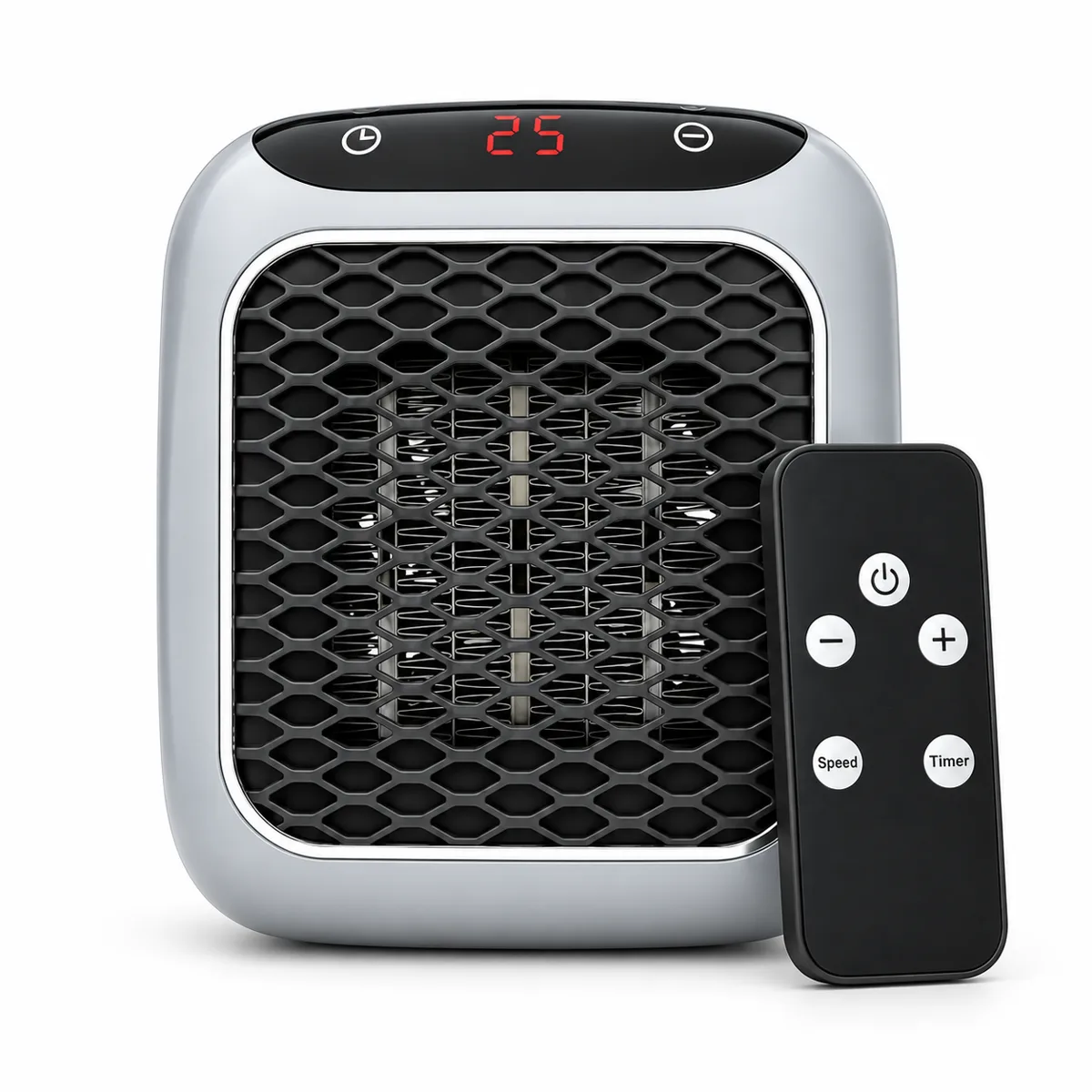
RapidHeat is intended for suitable small dry rooms up to about 12 m². A bedroom used for a supervised pre-bed warm-up or a small home office may be a better fit. Use an accessible Type G wall socket, clear of curtains, bedding and furniture, with no extension lead.
Do not position a heater by an open bathroom door as an indirect bathroom-heating strategy. Keep it in the dry room it is warming, away from splashes, and use proper bathroom heating for the bathroom itself. See our bedroom heater guide and home-office heater advice.
What should I buy if I need both rooms warmed?
Arrange the bathroom solution first with a qualified installer. For a separate suitable dry bedroom, one RapidHeat costs €59 including VAT; the €89 two-pack is only useful if you also need another heater in a second suitable dry room. Buying a bundle never makes a unit bathroom-safe.
The official Irish store offers free Republic of Ireland delivery and a 30-day money-back guarantee from delivery, alongside statutory rights. That purchasing reassurance is separate from installation safety. If unsure where a heater may be used, resolve the location question before ordering.
Who RapidHeat is not right for
We'd rather you buy the right heater than return the wrong one. RapidHeat probably isn't for you if:
- Anyone seeking a heater to use in a bathroom, shower room or other wet area.
- Anyone planning to run a lead from a dry room into the bathroom.
- Households needing bathroom warmth that requires professionally specified fixed heating.
- Anyone assuming overheat protection replaces water protection or compliant installation.
Frequently asked questions
Can I use RapidHeat in my bathroom?
No. RapidHeat is not IP-rated and must not be used in bathrooms or wet areas; choose an appropriately specified fixed bathroom heater or radiator instead.
Is a plug-in heater safe outside bathroom zones?
Being outside a defined zone does not automatically make a plug-in heater acceptable. RapidHeat remains unsuitable for the bathroom, and a registered electrical contractor should assess any proposed bathroom heating.
Does IPX4 mean any heater can go beside a shower?
No. An IP rating addresses one aspect of protection. The appliance must also be suitable for the specific zone, connection and mounting arrangement under its instructions and current wiring rules.
Can I use an extension lead just before a shower?
No. Do not run extension leads into a bathroom, even briefly or when the shower is not running. Plan a permanent suitable heating solution rather than relying on timing.
Are heated towel rails always enough?
No. Their output varies, and some are primarily for towels. Ask an installer to check the room’s heat loss and choose sufficient heating for the space.
Can I leave the bathroom door open to warm it?
Do not use a RapidHeat positioned at the doorway as a workaround. Heat the bathroom with suitable equipment and manage moisture with proper ventilation.
Is bathroom heater installation a DIY job?
Do not improvise bathroom electrical work. Use a registered electrical contractor to assess zones, circuit protection, appliance suitability and the required installation arrangements.