What should I check before using RapidHeat?
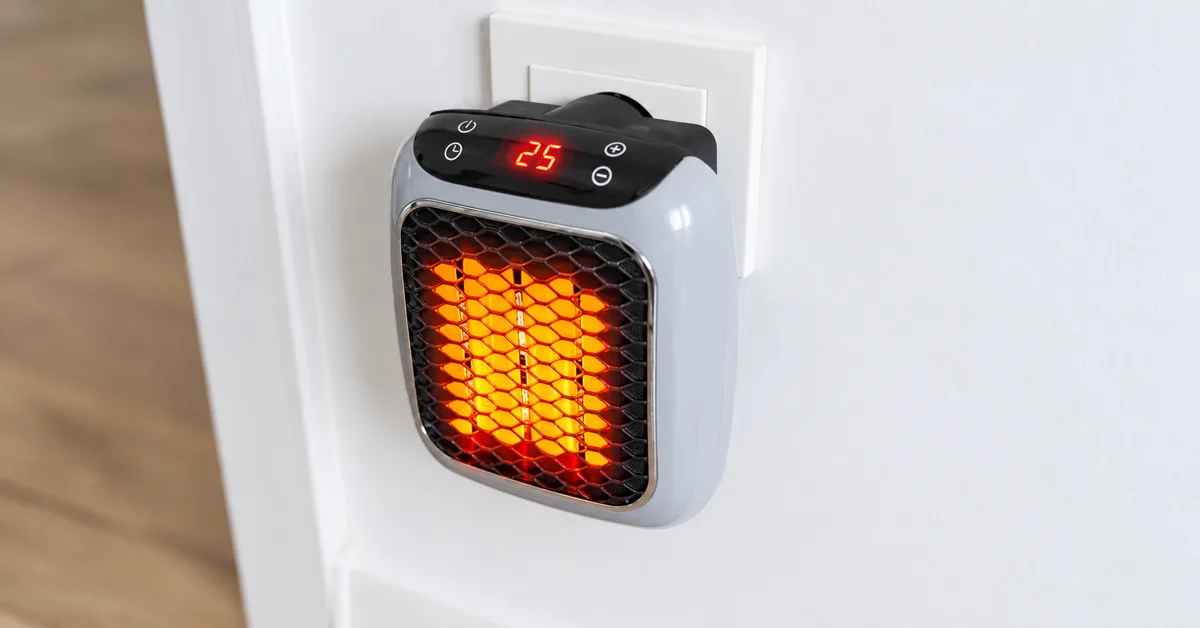
RapidHeat is a wall-socket ceramic heater for suitable small dry rooms. Check the supplied instructions and inspect the heater and plug for damage before connecting it. Do not use an appliance with cracked parts, visible damage or signs of overheating; contact support for advice instead.
Choose a location where you can see and reach the heater, with airflow unobstructed and fabrics well clear. The guide below explains the operating principles, not a substitute button sequence for every supplied unit. If the display or controls differ, follow the instructions included with your heater.
Which socket and room should I choose?
| Location | Suitability check |
|---|---|
| Small dry room up to about 12 m² | Potentially suitable if insulated and safely positioned. |
| Behind furniture or close to fabrics | Unsuitable if airflow or safe clearance is compromised. |
| Bathroom or other wet area | Do not use RapidHeat. |
| Large open-plan room or poorly insulated conservatory | Not suitable as the only heating source. |
Plug directly into a sound Irish/UK Type G wall socket. Do not use an extension lead, multiway adaptor or trailing arrangement to reach a preferred position. A loose socket, scorching, unusual heat or damaged faceplate needs attention from a qualified electrician, not another attempt with the heater.
Keep away from curtains, bedding, clothing and furniture that could block airflow. Never cover it or use it to dry laundry. RapidHeat is not IP-rated: do not use it in bathrooms or wet areas, even if the socket appears to be outside a splash zone.
How do I start heating on low or high?
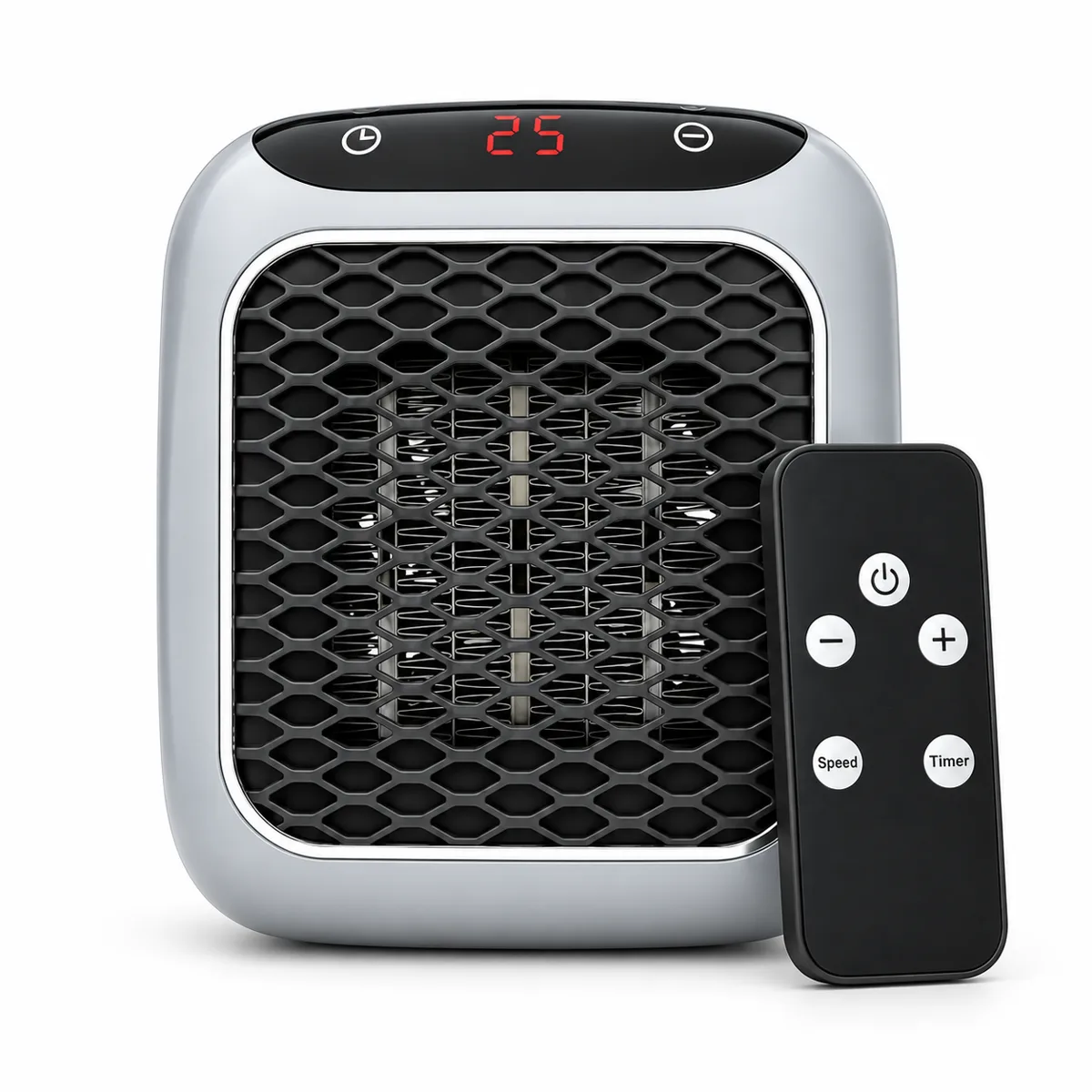
After safe placement and connection, use the controls described in the supplied instructions to switch on. RapidHeat has two output levels: 400W low and 800W high. Use high when extra output is needed, then try low if it is sufficient to maintain comfort.
Do not invent a long-press sequence or keep pressing buttons if the display is unclear. Check the included instructions and confirm the chosen setting on the LED display. A higher setting supplies more heat and uses more electricity while active; it does not improve the room’s insulation.
How do I set the RapidHeat thermostat?
Select a comfortable target temperature using the supplied control instructions. The adjustable thermostat regulates heating around that target, so the heater does not necessarily draw its selected heating power continuously once the room is warm. A high target does not make it exceed the 800W maximum.
Allow time to judge comfort across the room rather than repeatedly increasing the target. Cold walls, draughts and an open door can keep heat demand high. If the room stays cold, check whether it exceeds the stated coverage or loses more heat than this appliance can replace.
How do I use the timer and remote control?
The programmable timer helps limit a planned heating session. Set it using the instructions supplied with your unit, then check the display to confirm your choice. Do not assume a particular timer range or automatic restart behaviour unless the supplied instructions confirm it.
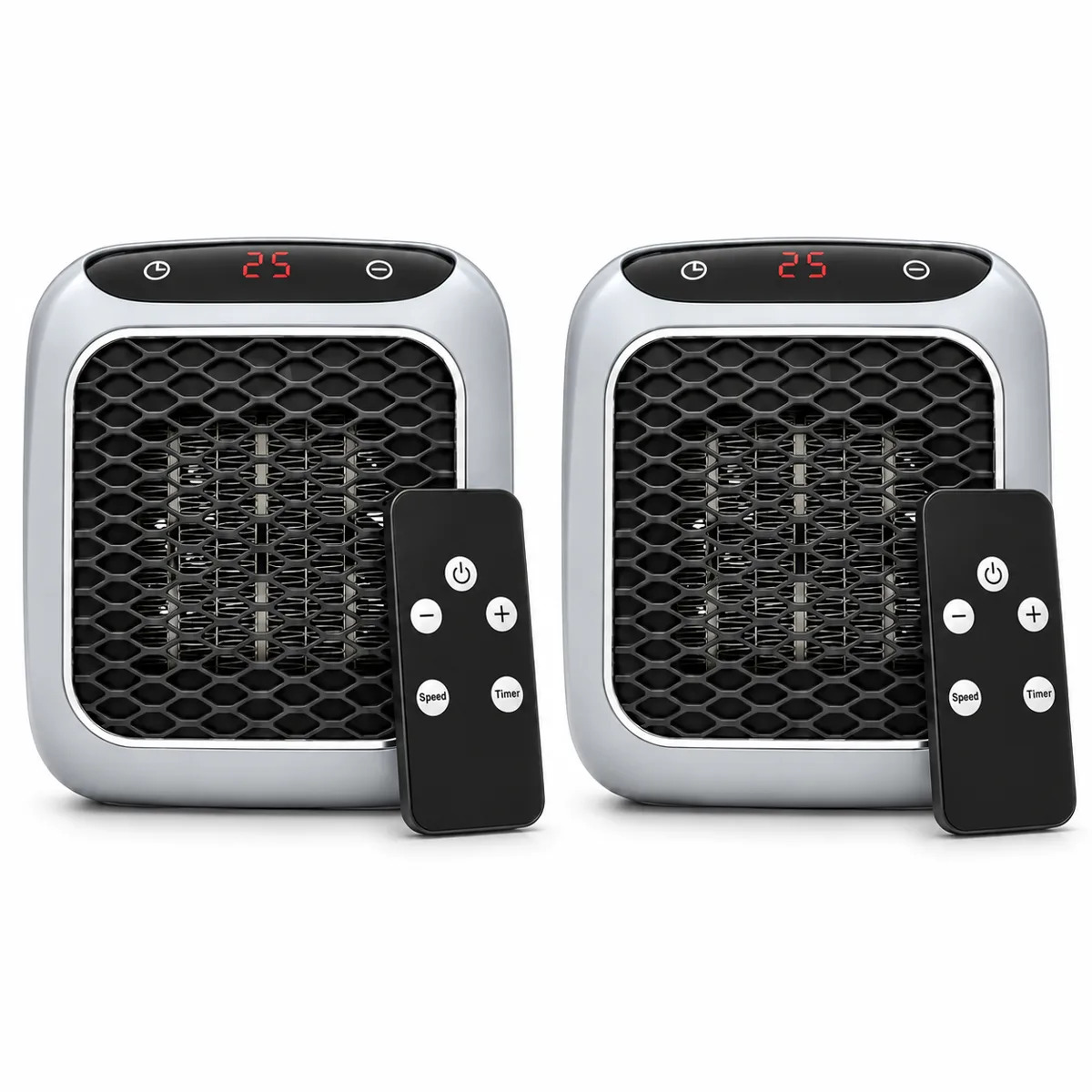
Use the remote control for convenient adjustments, following its included guidance. If it does not respond, try the heater’s own controls and check the remote instructions before assuming the heater has failed. This guide does not specify an unverified battery type or replacement procedure.
A timer is not permission to leave a heater running unattended. Stay present during use and switch off before leaving the room for an extended period or going to sleep.
How much electricity does each setting use?
| Heater type | Typical power | Cost per hour* |
|---|---|---|
| RapidHeat (low) | 400W | €0.14 |
| RapidHeat (high) | 800W | €0.28 |
| Fan heater | 2,000W | €0.70 |
| Oil-filled radiator | 1,500–2,500W | €0.53–€0.88 |
| Halogen heater | 1,200W | €0.42 |
*At full power and an electricity unit rate of €0.35/kWh, close to typical Irish standard tariffs. Thermostats cycle heaters off once a room is warm, so real costs are usually lower.
One hour continuously on low uses 0.4 kWh; one hour on high uses 0.8 kWh. Four hours on low costs approximately €0.56 at the example tariff, or about €17 over 30 days. Your unit rate and thermostat cycling affect the actual bill.
Resistive heaters deliver roughly one kWh of heat from one kWh of electricity. Savings come from heating a suitable occupied room for less time or at lower output, not exceptional conversion efficiency. Read our RapidHeat energy-saving guide for sensible expectations.
How should I switch off and clean the heater?
Use the shutdown process in the supplied instructions and allow the appliance to cool before handling it. Disconnect it before cleaning. Do not spray it with water, immerse it or allow moisture into its openings; use a gentle cleaning method permitted by the manufacturer.
RapidHeat includes an antimicrobial air filter, but that does not establish a particular cleaning interval or make it a substitute for ventilation. Follow the supplied filter-care instructions. Do not open the casing, wash components or remove parts unless the instructions explicitly permit it.
Keep airflow openings clear and inspect the appliance regularly for visible problems. Store it dry when not needed, away from anything that could damage the plug or casing.
What should I do if it stops or seems faulty?
First switch off safely and check for blocked airflow, a covered heater or a room already at the thermostat target. Overheat protection and auto shut-off are safety features, not operating modes to trigger repeatedly. Do not keep restarting a unit that repeatedly shuts down.
If you notice a burning smell, smoke, scorching, sparking or damaged parts, stop using it. Disconnect only if safe, and seek appropriate help; do not attempt electrical repairs. Contact support@rapidheatie.com for product support, with a reply within one working day.
For ordinary setup uncertainty, describe the displayed setting and what happened rather than guessing at a reset sequence. Our RapidHeat questions and answers and contact page can help you find the right support route.
How can I use the heater more economically?
Close the room door while heating and reduce avoidable draughts, without blocking required ventilation. Try a shorter supervised session or the low setting when conditions allow. Keep other rooms adequately managed to avoid persistent cold and damp rather than simply switching off all other heating.
SEAI provides information on energy improvements and grants, subject to eligibility. Fuel Allowance may assist eligible households with heating costs. Check current conditions and your actual electricity tariff when planning costs; a smart or night-rate plan only helps when its terms match your use.
For room-specific routines, see our bedroom heating guide or home-office heating advice. Neither setting removes the need for supervision and safe placement.
What are RapidHeat’s limits and purchase options?
Useful features include the thermostat, LED display, timer and remote control. The fan is about 45 dB, so it is not silent. The stated small-room warm-up of under five minutes is not a guarantee for cold, draughty or larger spaces, and safety features never make wet-area use acceptable.
A single unit costs €59 including VAT; two cost €89, three €119 and four €179. Buy according to suitable rooms, not just the price per unit. The official Irish store offers a 30-day money-back guarantee from delivery alongside Irish and EU statutory rights; consult the returns information if it is not suitable.
Step by step
- Inspect the appliance. Read the supplied instructions and check the heater and plug for damage before use.
- Choose a dry room. Use a suitable small dry room, never a bathroom or wet area, and keep clear of fabrics and furniture.
- Connect directly. Use a sound Type G wall socket without an extension lead or adaptor arrangement.
- Select the output. Use the supplied controls to choose 400W low or 800W high and confirm the display.
- Adjust the thermostat. Choose a comfortable target following the supplied instructions, then assess comfort before raising it.
- Limit the session. Set the programmable timer as instructed, remain present and keep airflow unobstructed.
- Switch off safely. Follow the supplied shutdown procedure before leaving or sleeping, and allow cooling before handling.
Who RapidHeat is not right for
We'd rather you buy the right heater than return the wrong one. RapidHeat probably isn't for you if:
- Anyone needing a bathroom or wet-area heater.
- People without a suitable wall socket clear of furniture and fabric.
- Anyone wanting unattended overnight or whole-house heating.
- Owners of large open-plan rooms or poorly insulated conservatories seeking one main heater.
Frequently asked questions
How do I use RapidHeat safely?
Plug RapidHeat directly into a suitable wall socket in a small dry room, keep airflow and surrounding space clear, and select the output and thermostat using the supplied instructions. Remain present and switch off before sleeping or leaving.
Which setting is 400W?
Low is 400W and high is 800W. Check the supplied instructions and LED display for the exact control sequence rather than assuming a particular button label or press pattern.
Why does my heater switch off?
It may have reached the thermostat target, a timer may have ended or a protective feature may have operated. Check the supplied instructions and stop use if shutdowns recur or there are signs of damage.
Can I use the timer overnight?
Do not rely on the timer for unattended overnight use. Warm a bedroom while awake and present, then switch off before sleeping, keeping bedding well clear throughout.
Can I use RapidHeat in a bathroom?
No. It is not IP-rated and is not suitable for bathrooms or wet areas. Use properly specified bathroom heating instead of moving a plug-in heater closer to the door.
What if the remote does not work?
Check its supplied instructions and try the heater’s own controls. Contact support if the problem continues; do not open the appliance or guess at electrical repairs.
Does RapidHeat need an extension lead?
No, and it must not be used with one. If a suitable wall socket is unavailable, choose another safe location or a different heating arrangement.